Clinical Lectures on Certain Acute Diseases
$50.00 USD • Used
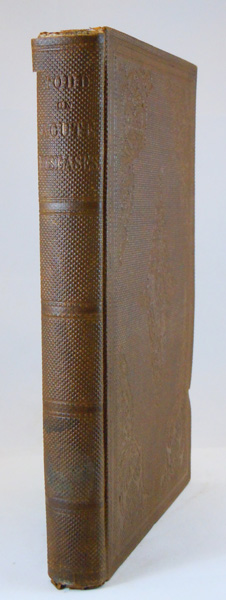
1860 SCARCE FIRST AMERICAN EDITION OF LECTURES ON ACUTE DISEASES BY INNOVATIVE BRITISH PHYSICIAN AND EDUCATOR. 9 1/2 inches tall harcover, xxvii, 308 pages, original brown pebbled cloth binding, s...
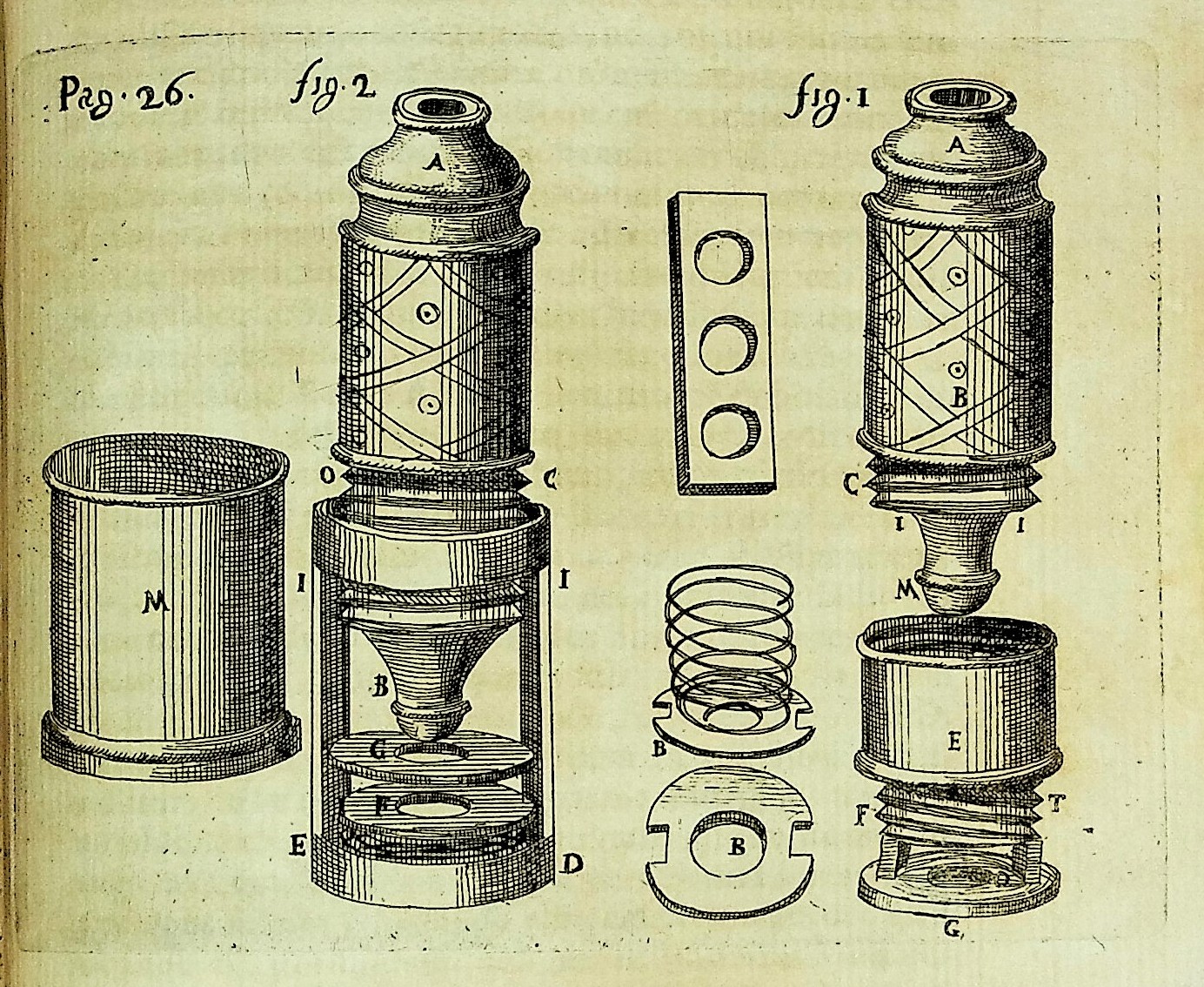
1860 SCARCE FIRST AMERICAN EDITION OF LECTURES ON ACUTE DISEASES BY INNOVATIVE BRITISH PHYSICIAN AND EDUCATOR. 9 1/2 inches tall harcover, xxvii, 308 pages, original brown pebbled cloth binding, small dent edge front cover, bottom front hinge weak, light foxing to first and last pages, unmarked and very good. T0 THE FORMER AND PRESENT HOUSE-PHYSICIANS AND CLINICAL CLERKS OF KING'S COLLEGE HOSPITAL, WHO HAVE FOR NEARLY TWENTY YEARS KINDLY AND ABLY ASSISTED THE AUTHOR IN HIS CLINICAL OBSERVATIONS, THESE PAGES ARE DEDICATED. PREFACE: 'The conclusions, which the clinical observations detailed in the lectures tend more or less to establish, may he summed up in the following propositions: 1. That the notion so long prevalent in the schools, that acute disease can be prevented or cured by means wbich depress and reduce vital and nervous power, is altogether fallacious; 2. That acute disease is not curable by the direct influence of any form of drug or any known remedial agent, excepting when it is capable of acting as an antidote, or of neutralizing a poison, the presence of which in the system the disease may depend; 3. That disease is cured by natural processes, to promote which, in their full vigor, vital power must be upheld. Remedies, whether in the shape of drugs, which exercise a special physiological influence on the system, or in whatever form, are useful only so far as fhey may excite, assist, or promote these natural curative processes; 4. That it should be the aim of the physician (after he has sedulously studied the clinical history of disease, and made him- self master of its diagnosis), to inquire minutely into the inti- mate nature of these curative processes. CONTENTS: On Rheumatic Fever; On Continued Fever; On Erysipelas; On Erysipelas of the Fauces; On the Treatment of Acute Internal Inflammations; On pyaemia; On pneumonia and its complications; On Pneumonia; On the therapeutical action of alcohol. ROBERT BENTLEY TODD (1809 - 1860) was an Irish-born physician who is best known for describing postictal paralysis, now known as Todd's palsy. Todd entered Trinity College in 1825, intending to study for the bar. When his father died the next year, he switched to medicine and became a resident pupil at a hospital in Dublin. He was a student of Robert Graves, and graduated B.A. at Trinity in 1829. He became licensed at the Royal College of Surgeons in Ireland two years later. He then moved to London, where he practised medicine and lectured. He was made a Fellow of the Royal Society and in 1844 he was elected Fellow of the Royal College of Surgeons. He became a Professor at King's College London in 1836 and was prominent in the opening of King's College Hospital in 1840. Todd was a popular lecturer, and was noted for his accuracy in the observation of disease, correctness of diagnosis, and clarity and exactness in expressing his views. He was the first to lay down definite principles for the treatment of serious cases of fever. He immediately integrated newly available technology, particularly the microscope, into the study and practice of medicine, and was a driving force in raising the standards of medical knowledge. Todd is remembered for his prescription of a hot drink of brandy, canella (white cinnamon), sugar syrup and water. This is called a 'Hot toddy'
Product Info
Publisher: Blanchard and Lea
Year: 1860
Type: Used
Binding: Softcover
First Edition
Seller Info
BiomedRareBooksLLCABAAILABIOBA
Address: P.O. Box 193 North Garden, Virginia
Website: https://www.biomedrarebooks.com
Country: United States